daycare cleaning checklist pdf
Overview of Daycare Cleaning Checklist PDF
Provides a concise, step-by-step guide for staff, covering daily surface wipes, toy sanitization, and floor care. It aligns with health regulations, tracks completion, and offers printable checklists for accountability. Designed for quick reference and easy updates. Suitable for staff training audit purposes
Purpose, Scope, and Key Benefits
The daycare cleaning checklist PDF serves as a definitive reference that translates regulatory mandates into actionable daily routines. By consolidating all required cleaning tasks—ranging from high‑touch surface disinfection to toy sanitization—into a single, user‑friendly document, it eliminates ambiguity and ensures every staff member knows exactly what is expected at each time of day, fostering a culture of shared responsibility for all.
Its scope extends beyond mere compliance; it is a tool for operational excellence. The checklist is designed to fit seamlessly into a busy childcare schedule, with clear time stamps and priority flags that help staff allocate their limited planning hours efficiently. It also supports risk management by documenting each completed task, thereby providing an audit trail that can be reviewed by health inspectors or internal quality assurance teams.
Key benefits include heightened safety for children and staff, reduced incidence of communicable diseases, and a measurable improvement in overall hygiene standards. The PDF format allows for quick printing, easy distribution, and instant updates, ensuring that any changes in state regulations or best‑practice guidelines are reflected without delay. Additionally, the checklist fosters accountability, as each task is assigned to a specific staff member and time slot, reducing the likelihood of oversights.
Ultimately, the daycare cleaning checklist PDF is more than a list—it is a strategic asset that aligns daily operations with health policy, promotes consistency across shifts, and supports a culture of proactive cleanliness that protects the most vulnerable members of the community.
- Consistent hygiene cuts child absenteeism.
- Clear docs streamline compliance audits.
- Staff confidence rises with defined tasks.
- Parents see and value visible cleanliness.
Health and Safety Standards for Daycare Facilities
Daycare facilities must meet strict health codes, including daily surface disinfection, proper ventilation, and safe chemical handling. Staff training, PPE use, and routine inspections ensure child safety, reduce infections, and maintain regulatory compliance. Quarterly reviews keep practices up to date safe.
Daycare cleaning protocols must align with state licensing regulations, the Centers for Disease Control and Prevention (CDC) guidance, and local health department mandates. It mandates a minimum contact time of 10 minutes for most disinfectants, with a brief rinse for those requiring it. The checklist flags zones, such as diaper changing areas, with color markers, ensuring staff address them record compliance in real time
Health and safety standards for daycare facilities require strict adherence to state licensing regulations, the Centers for Disease Control and Prevention (CDC) guidance, and local health department mandates. The checklist PDF incorporates daily surface disinfection schedules, specifying EPA‑approved agents for high‑touch areas such as tables, toys, and restroom fixtures. It mandates a minimum contact time of 10 minutes for most disinfectants, with a brief rinse for those requiring it. Staff must use personal protective equipment—gloves, masks, and eye protection—when handling chemicals, and the PDF includes a quick reference for safe storage and disposal of hazardous materials. In addition, the checklist incorporates a waste segregation protocol, ensuring recyclables, hazardous waste, and general trash are disposed of per local regulations. It outlines a log for chemical usage with batch numbers to maintain traceability. Staff receive training on dilution ratios, reinforcing culturecompliance.
The checklist incorporates a waste protocol, ensuring recyclables and hazardous waste are disposed of per local regulations. It outlines a log for batch numbers to maintain traceability. Staff receive training on dilution ratios, reinforcing culturecompliance.
The PDF features an action plan, marking tasks that are completed, pending, or overdue. Supervisors can scan the sheet to identify gaps and reassign duties. A digital version syncs with mobile devices, allowing updates and reminders, ensuring that no area is overlooked today!!
Daily Cleaning Tasks and Routine Maintenance
Daily tasks include wiping all high‑touch surfaces, sanitizing toys, mopping floors, emptying trash, restrooms. Staff follow a timed schedule, log completion, and replace supplies as needed. Routine maintenance covers HVAC filters and window cleaning.
Surface Disinfection, Toy Sanitization, and Floor Care
Daily surface disinfection is critical for preventing the spread of pathogens in daycare settings. Staff should use EPA‑approved disinfectants, following label instructions for dilution, contact time, and safety precautions. High‑touch areas—tables, counters, doorknobs, and shared equipment—must be wiped with a fresh solution after each use. The checklist should specify a 10‑minute contact time for most disinfectants, with a 2‑minute dwell time for quick‑action products; All cleaning should be performed with clean microfiber cloths or disposable wipes, and a separate set of tools should be designated for high‑risk zones to avoid cross‑contamination. Toy sanitization requires a two‑step process: first, remove toys from the play area and place them in a designated sanitization zone. Second, apply a disinfectant that is safe for plastic and rubber, ensuring a 5‑minute contact time. After sanitization, toys should be rinsed with clean water if required by the product, then air‑dry on a clean surface. The checklist must record the date, time, and product used for each batch of toys, and include a signature line for the supervising staff member. Floor care involves daily sweeping or vacuuming to remove debris, followed by mopping with a disinfectant solution. The floor should be inspected for spills and cleaned immediately to prevent slips. For high‑traffic areas, a wet mop should be used with a 10‑minute contact time, while low‑traffic zones may use a dry mop. All floor cleaning should be logged, noting the area covered, product used, and any incidents. Proper PPE—gloves, goggles, and masks—must be worn during all cleaning activities. The checklist should also include a section for reporting any spills, broken toys, or equipment that requires repair, ensuring a safe environment for children and staff alike. The cleaning schedule should be aligned with the daily routine, ensuring that high‑touch surfaces are disinfected after each child change and before any group activity. Children should be taught to wash hands after using the restroom, and staff should monitor compliance. The checklist should prompt staff to check for residual moisture on surfaces, as damp areas can harbor bacteria. Additionally, the use of a UV‑based sanitizer for toys can reduce chemical exposure while maintaining efficacy. Floor mats should be inspected for wear and replaced when cracks appear, as damaged mats can become breeding grounds for germs. Staff should rotate cleaning stations to avoid fatigue and maintain thoroughness. The checklist must also include a section for emergency cleaning protocols in case of spills of hazardous substances, with clear instructions on containment and disposal. Finally, a monthly review of the checklist should be conducted to update product selections based on new EPA guidance and to incorporate feedback from staff and parents regarding cleanliness standards. The checklist should also note the time of day each task is performed, allowing for audit trails. Staff should record any product shortages and notify the supervisor. The use of a color‑coded system can help quickly identify completed tasks. Quarterly training sessions should be held to refresh knowledge on disinfection protocols. Parents should receive a summary of cleaning practices to build trust. The checklist also prompts staff to check for any signs of mold or mildew, reporting findings.
Weekly and Monthly Cleaning Activities
Daily cleaning includes wiping all high‑touch surfaces, sanitizing toys with EPA‑approved solutions, and mopping floors with proper contact times. Weekly tasks cover carpet steam‑cleaning, HVAC filter checks, and window washing. Monthly deep cleaning ensures compliance and safety. Staf must sign off each task.
Deep Cleaning, HVAC Filter Replacement, and Window Washing
Deep cleaning is scheduled once a month to maintain a hygienic environment. The process begins with a thorough dust‑off of all surfaces, followed by a high‑temperature steam treatment of carpets and upholstery; All removable items are removed, washed, and re‑installed. HVAC filters are inspected for clogging; if airflow drops below 70%, the filter is replaced with a HEPA‑grade unit. The replacement cycle is every 90 days, or sooner if the unit is visibly dirty. Window washing is performed on all exterior and interior panes using a non‑abrasive cleaner and microfiber cloths. The procedure includes a pre‑wash rinse, a detergent application, a scrubbing phase, and a final rinse to eliminate streaks. All cleaning chemicals are EPA‑approved and stored in a locked cabinet. Staff must wear gloves, goggles, and a respirator if handling aerosolized disinfectants. A logbook records the date, time, and personnel involved, ensuring traceability and compliance with state health regulations. Training sessions are held quarterly to refresh proper techniques and safety protocols. This comprehensive routine reduces airborne pathogens, improves indoor air quality, and supports a safe learning environment for children and caregivers alike;
During each deep‑clean cycle, staff also conduct a thorough inspection of ventilation ducts, ensuring no blockages or mold growth, and verify that all air‑conditioning units meet the latest EPA guidelines for particulate filtration. All findings logged, corrective actions within 24h now.
Disinfection Protocols and Chemical Use
EPA‑approved disinfectants are applied to high‑touch areas for 10‑minute contact times. Staff use microfiber cloths, disposable wipes, and UV‑C lamps. All chemicals stored in a locked cabinet; PPE includes gloves, goggles, masks. Logs record each session!!
EPA-Approved Disinfectants, Contact Times, and Safety Precautions
Daycare facilities rely on EPA‑approved disinfectants to meet stringent health standards. The checklist specifies the following categories:
- Surface Disinfectants: 70% isopropyl alcohol, quaternary ammonium solutions, and hydrogen peroxide wipes. These are effective against viruses, bacteria, and fungi.
- Toy Sanitizers: 0.1% sodium hypochlorite or commercial toy‑safe disinfectants. Toys are soaked for 5 minutes, then rinsed with clean water.
- Floor Disinfectants: EPA‑approved floor sprays with a 10‑minute contact time. After mopping, allow the floor to air dry for at least 30 minutes before allowing children to walk again.
Contact times are critical. The checklist requires each disinfectant be left on the surface for the duration before wiping. For example, a 10‑minute contact time for a quaternary solution ensures viral inactivation.
Safety precautions include:
- Read and follow the Material Safety Data Sheet (MSDS) for each product.
- Wear disposable gloves, eye protection, and a mask when handling chemicals.
- Ensure adequate ventilation by opening windows or using exhaust fans during application.
- Store chemicals in a locked cabinet out of reach of children.
- Keep a first‑aid kit and emergency contact information readily available.
All staff must complete a brief training module before using any disinfectant. The checklist logs each application, noting the product name, batch number, contact time, and the person responsible. This documentation supports compliance audits and ensures traceability in case of a contamination event;
Regular reviews of product efficacy and updates to the checklist keep the facility aligned with evolving regulations!!!
Supplies, Equipment, and PPE Checklist
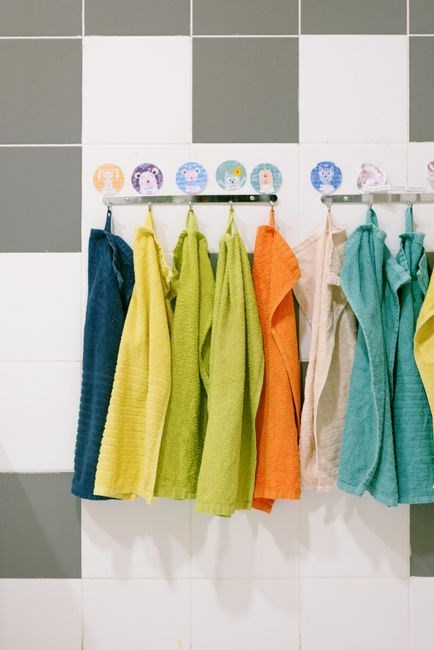
Essential supplies: cleaning agents, microfiber cloths, disposable gloves, goggles, Equipment: mops, vacuums, portable sanitizer station. Store supplies in labeled bins, rotate stock, track usage!!
Track inventory, schedule deep cleans, train staff PPE!
Cleaning Agents, Tools, and Personal Protective Equipment
For a daycare environment, the cleaning agent selection must prioritize EPA‑approved, low‑toxin formulations that effectively neutralize viruses, bacteria, and allergens while remaining safe for children and staff. A three‑tier system is recommended: a daily surface disinfectant (e.g., 0.1% sodium hypochlorite or a quaternary ammonium solution), a mid‑frequency floor cleaner (non‑foaming, pH‑neutral), and a weekly deep‑cleaning agent (enzyme‑based or bleach‑based for high‑contamination zones). All agents should be stored in clearly labeled, child‑proof containers with a dedicated spill kit on hand. Tools should be ergonomic and easy to sanitize. Microfiber mops with integrated wringers, vacuum units equipped with HEPA filters, and disposable or washable paper towels are essential. For toy sanitization, a portable UV‑C sanitizer or a handheld sprayer that delivers a measured dose of disinfectant can be used. A small, mobile cart stocked with wipes, sprays, and a refillable sanitizer dispenser keeps supplies within arm’s reach during high‑traffic periods. Personal protective equipment (PPE) is mandatory for all cleaning staff. Disposable nitrile gloves, eye protection (goggles or face shields), and long‑sleeved, breathable coveralls reduce exposure to chemicals and pathogens. A reusable mask or respirator should be worn when handling bleach or when working in poorly ventilated areas. PPE should be changed between tasks and stored in a dedicated area to prevent cross‑contamination. Training on proper donning, doffing, and disposal procedures is critical to maintain safety standards and uphold regulatory compliance. Regular inventory checks, a log of usage, and a scheduled replacement cycle for gloves, wipes, and filters ensure that the cleaning program remains effective and that staff are never caught short of essential supplies. By integrating these agents, tools, and PPE into a cohesive checklist, daycares can maintain a hygienic environment that protects children, staff, and the broader community.
This concise guide assists staff in maintaining a hygienic, child‑safe setting, ensuring compliance with health regulations and fostering a safe learning environment for all children and caregivers. It serves as a practical reference for daily cleaning routines and emergency protocols for staff anddaily

PDF Template Creation, Customization, and Distribution
Create a clean, branded PDF template using tools like Adobe InDesign or Canva. Include sections for daily, weekly tasks, and a signature line. Customize colors and logos to match your daycare’s identity. Once finalized, share via email, cloud storage, or print copies for staff use. Follow state guidelines!!!
Design Layout, Branding, and Digital Sharing
When designing a daycare cleaning checklist PDF, start with a clean, child‑friendly layout that highlights key tasks and deadlines. Use a grid system to align checkboxes, dates, and staff initials, ensuring the document is easy to read at a glance. Incorporate your facility’s logo in the header, a subtle color palette that reflects your brand’s identity—. Consistent typography (e.g., a sans‑serif font for headings and a legible serif for body text) improves readability for both staff and parents. Add a footer with contact information and a QR code that links to an online version of the checklist, allowing real‑time updates. For branding, embed a small watermark of the daycare’s emblem on each page to reinforce ownership without cluttering the interface. When it comes to digital sharing, export the final design as a high‑resolution PDF and store it in a shared cloud folder (Google Drive, Dropbox, or a secure school server). Use password protection or role‑based access to limit editing rights to supervisors only. Schedule automated email reminders that attach the latest PDF to staff inboxes each week, and consider a mobile app that pushes notifications when a task is due. Finally gather feedback from teachers and janitorial staff to refine the layout—adjustments to line spacing can improve usability. By combining thoughtful design, strong branding, and efficient digital distribution, you create a checklist that is both functional and a proud representation of your daycare’s commitment to safety and cleanliness.