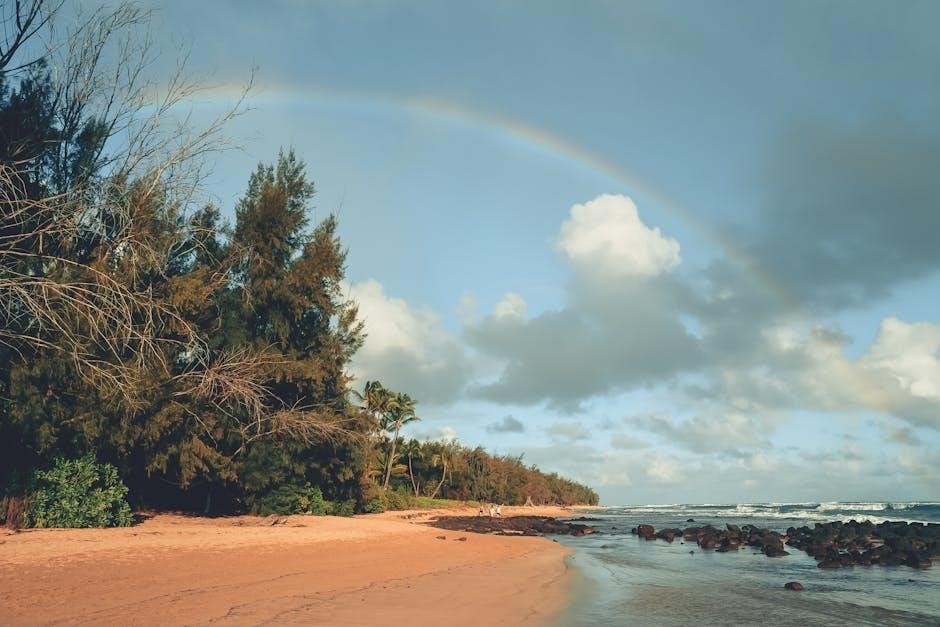
Hawaii N11 Drone Operation: A Comprehensive Guide
Navigating Hawaii’s airspace with a drone requires diligent adherence to the “N11” operational guidelines, ensuring safety and regulatory compliance for all pilots involved․
Understanding the “N11” Designation
The “N11” designation in Hawaii specifically refers to a geographically defined area encompassing the islands, and dictates unique operational parameters for drone pilots․ It’s not a universal FAA regulation, but rather a localized set of instructions developed to address Hawaii’s specific airspace complexities and sensitive environments․
This designation arose due to the concentration of critical infrastructure – including airports, military installations, and national parks – within a relatively small geographic space․ Pilots operating within N11 airspace are subject to heightened scrutiny and must demonstrate a thorough understanding of the restrictions․
Essentially, N11 mandates increased awareness, pre-flight planning, and adherence to specific altitude and proximity limitations․ Ignoring these guidelines can result in substantial fines and potential legal repercussions․ Staying informed about updates to the N11 operational area is crucial for responsible drone operation in Hawaii․
FAA Part 107 Requirements for Hawaii
While Hawaii’s “N11” designation adds layers of complexity, all drone operations still fundamentally require compliance with the Federal Aviation Administration’s (FAA) Part 107 regulations․ This includes possessing a valid Remote Pilot Certificate, ensuring the drone is properly registered, and adhering to all general operating rules outlined in Part 107․
Specifically, Hawaii pilots must pay close attention to restrictions regarding nighttime operations, flights over people, and operating from a moving vehicle – all governed by Part 107․ Furthermore, obtaining necessary waivers for operations that deviate from standard Part 107 rules is often essential within the N11 airspace․
Remember, N11 doesn’t supersede Part 107; it supplements it․ Pilots must demonstrate proficiency in both sets of regulations to legally and safely fly drones in Hawaii․ Continuous education and staying updated on FAA notices are paramount․
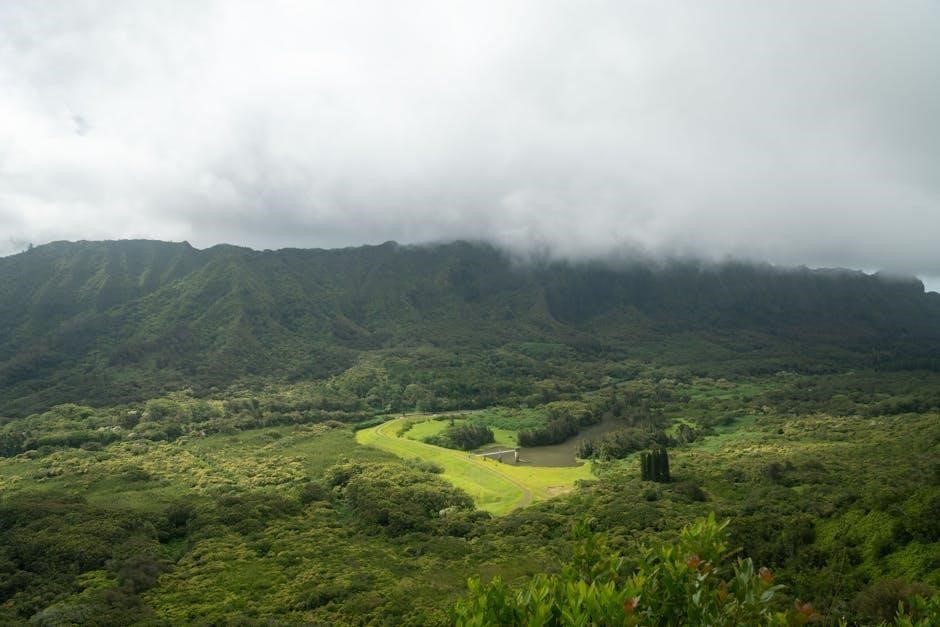
Pre-Flight Planning & Checks
Thorough pre-flight assessments, incorporating N11 airspace specifics, are crucial for safe Hawaiian drone operations, verifying equipment and environmental suitability․
Hawaii-Specific Airspace Restrictions
The N11 designation in Hawaii encompasses unique airspace considerations demanding meticulous pre-flight planning․ Significant portions of the islands are subject to Temporary Flight Restrictions (TFRs), particularly around active volcanoes like Kilauea and Mauna Loa, necessitating constant monitoring of NOTAMs (Notices to Air Missions)․
Beyond volcanic activity, airspace around critical infrastructure – including airports, military installations (like Pohakuloa Training Area), and sensitive facilities – is heavily restricted․ Pilots must utilize tools like the FAA’s B4UFLY app and LAANC (Low Altitude Authorization and Notification Capability) to determine permissible flight zones and obtain necessary authorizations․
Furthermore, certain coastal areas and national parks impose specific drone regulations, often prohibiting flights near wildlife or requiring permits․ Understanding these layered restrictions, and the implications of violating N11 airspace rules, is paramount for responsible and legal drone operation in Hawaii․
Weather Considerations in Hawaii
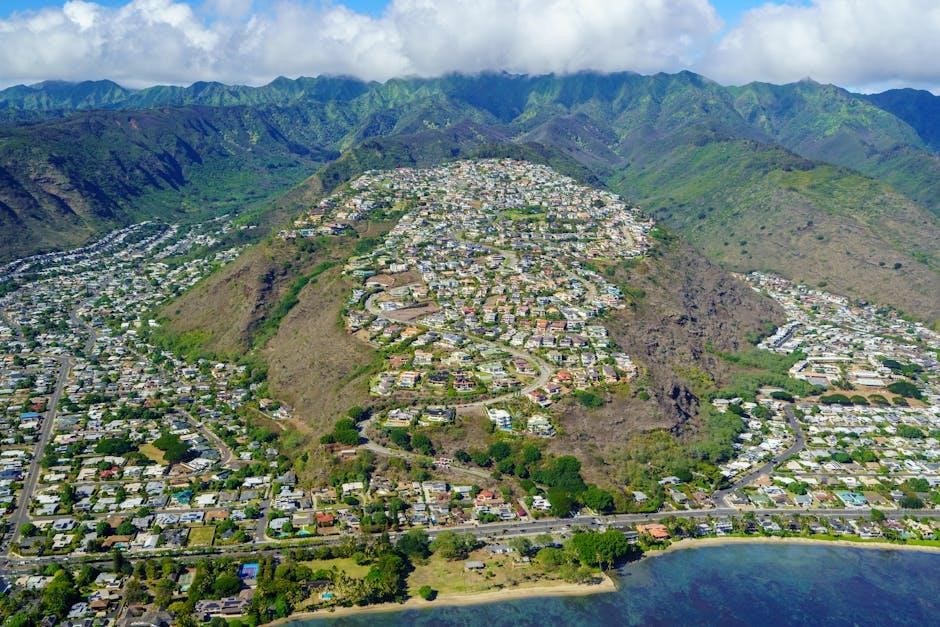
Hawaii’s diverse microclimates present unique weather challenges for drone pilots operating under N11 guidelines․ Rapidly changing conditions, including localized showers, strong trade winds, and volcanic smog (vog), can significantly impact flight safety and visibility․
Pilots must meticulously check forecasts from multiple sources – including the National Weather Service and specialized aviation weather briefings – before each flight․ Pay close attention to wind speed and direction, cloud cover, and potential for precipitation, especially near mountainous terrain․
Humidity and temperature fluctuations can also affect drone performance․ Be aware of the potential for downdrafts and turbulence, particularly in areas with steep slopes or near coastlines․ Always prioritize conservative flight planning and be prepared to postpone or cancel flights if conditions are unfavorable․

Flight Operations Procedures
Executing N11 drone flights in Hawaii demands strict adherence to pre-defined protocols, prioritizing safe maneuvering and consistent operational awareness throughout each mission․
Takeoff and Landing Protocols
For N11 operations in Hawaii, meticulous takeoff and landing procedures are paramount․ Prior to any ascent, confirm a stable GPS lock and verify all drone systems are functioning optimally․ Select a clear, level takeoff area, free from obstructions like vegetation, people, or power lines․
During takeoff, maintain a slow, controlled ascent, constantly monitoring wind conditions․ Hawaiian breezes can be unpredictable․ Landing should occur in a similarly prepared area, utilizing a slow, deliberate descent․
Always perform a pre-landing checklist, confirming battery levels and airspace awareness․ Avoid landing near sensitive areas, such as beaches with high pedestrian traffic or active wildlife habitats․ Post-landing, immediately power down the drone and secure it to prevent accidental activation․ Remember, adherence to these protocols minimizes risk and ensures responsible drone operation within Hawaii’s unique environment․
Maintaining Visual Line of Sight (VLOS)
Strict adherence to Visual Line of Sight (VLOS) regulations is crucial during all N11 drone operations in Hawaii․ This means the remote pilot, and any visual observers, must maintain unaided visual contact with the drone at all times․ Terrain in Hawaii, with its mountains and valleys, can easily obstruct VLOS, demanding careful flight planning․
Utilize visual observers strategically, positioning them to maximize coverage and account for potential obstructions․ Avoid flying behind hills, through dense foliage, or over large bodies of water where maintaining VLOS becomes challenging․
Remember, binoculars or other visual aids do not satisfy VLOS requirements․ If visual contact is lost, immediately land the drone or return it to a position where VLOS can be re-established․ Prioritizing VLOS ensures safe and compliant operation within Hawaii’s diverse landscapes․
Navigating Hawaii’s Unique Environments
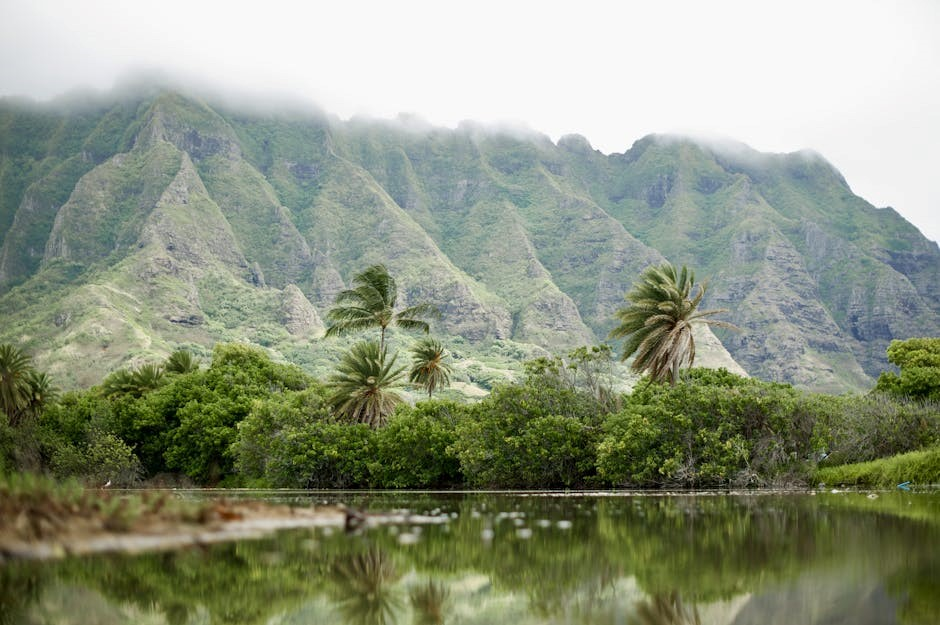
Hawaii’s diverse terrain—volcanoes, coastlines, and rainforests—demands heightened awareness and careful drone piloting techniques for safe N11 operations․
Coastal Flight Considerations
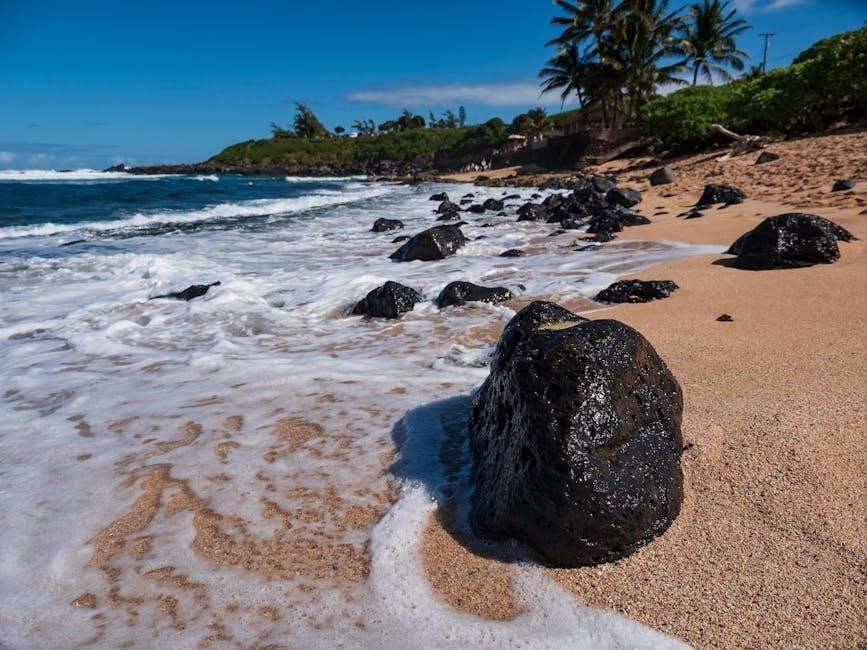
Operating drones near Hawaii’s coastlines presents unique challenges under N11 guidelines․ Salt spray can significantly impact drone performance, potentially corroding sensitive components like motors and sensors; regular maintenance is crucial․
Strong, unpredictable ocean breezes require pilots to maintain heightened situational awareness and adjust flight parameters accordingly, compensating for wind drift․ Be mindful of marine life – avoid flying directly over or disturbing nesting seabirds, whales, or other protected species․
Reflections from the water can interfere with visual line of sight (VLOS), making it difficult to accurately track the drone’s position․ Utilize polarized filters on your camera and consider employing a visual observer to enhance safety; Always prioritize maintaining a safe distance from people, vessels, and infrastructure along the shoreline, adhering strictly to FAA regulations and N11 protocols․
Volcanic Activity & Drone Safety
Hawaii’s active volcanoes introduce significant hazards for drone operations under N11 directives․ Volcanic gases, such as sulfur dioxide, are corrosive and can damage drone electronics, leading to malfunctions or crashes; avoid flying directly over vents or plumes․
Ashfall, even in small quantities, can obstruct sensors, reduce visibility, and affect motor performance․ Regularly clean your drone after flights in volcanic areas․ Thermal updrafts and unpredictable wind patterns around volcanic features create unstable flight conditions, demanding exceptional piloting skills and caution․
Always check current volcanic activity reports and heed any warnings or closures issued by authorities․ Flying within restricted airspace near active volcanoes is strictly prohibited and carries severe penalties․ Prioritize safety and adhere to all N11 guidelines when operating near volcanic regions․

Regulatory Compliance & Documentation
Strict adherence to Hawaii’s N11 regulations, alongside meticulous record-keeping of all flight logs and permits, is crucial for legal and safe drone operation․
Hawaii Drone Registration & Permits
Operating under the Hawaii N11 designation necessitates a multi-layered registration and permitting process․ Beyond the standard FAA Part 107 certification, pilots must register their drones with the State of Hawaii’s Department of Transportation (HDOT)․ This registration involves providing detailed drone specifications, pilot contact information, and intended operational areas․
Crucially, N11 operations often require specific permits from the HDOT, particularly for flights within controlled airspace or near sensitive infrastructure․ These permits detail flight plans, emergency procedures, and adherence to noise restrictions․ Obtaining the correct permits before any flight is paramount․ Failure to comply can result in substantial fines and operational restrictions․
Pilots should proactively check the HDOT website for updated permit requirements and any temporary flight restrictions (TFRs) impacting N11 zones․ Maintaining current registration and permits demonstrates a commitment to responsible drone operation and ensures legal compliance throughout Hawaiian airspace․
Reporting Requirements & Incident Procedures
Hawaii’s N11 operational framework demands strict adherence to reporting protocols․ Any incident, regardless of severity – including near misses, equipment malfunctions, or deviations from approved flight plans – must be reported immediately to both the FAA and the Hawaii Department of Transportation (HDOT)․ Detailed incident reports, including time, location, and a comprehensive description of events, are crucial․
Furthermore, pilots operating under N11 guidelines are often required to submit periodic operational reports to the HDOT, detailing flight hours, areas flown, and any observed airspace conflicts․ These reports contribute to ongoing airspace monitoring and safety assessments․
In the event of an emergency or a significant incident, pilots must also notify local authorities․ Proactive and transparent reporting demonstrates a commitment to safety and helps maintain the integrity of the N11 operational environment, fostering continued access to Hawaiian airspace․
Emergency Procedures
N11 drone pilots in Hawaii must prioritize immediate landing and notification to authorities during emergencies, adhering to pre-defined safety protocols consistently․
Lost Link Protocol

In the event of a lost link between the remote controller and the N11 drone while operating in Hawaii, immediate action is crucial․ The drone is programmed with a failsafe Return-to-Home (RTH) function; however, pilots must verify sufficient battery life for a safe return․
Prior to flight, meticulously set the RTH altitude to a height clearing all surrounding obstacles – particularly Hawaii’s diverse terrain․ Continuously monitor signal strength and be prepared to manually override the RTH if necessary, guiding the drone to a safe landing spot․
Document the incident thoroughly, including time, location, environmental conditions, and actions taken․ Report the lost link event to the FAA via the appropriate channels, as required by Hawaii’s N11 operational guidelines․
Remember, proactive risk assessment and diligent pre-flight checks significantly reduce the likelihood of a lost link scenario․
Emergency Landing Zones
Identifying potential emergency landing zones (ELZs) is paramount when flying the N11 drone in Hawaii’s varied landscapes․ Prior to each flight, visually scout and map out several suitable ELZs along your planned route, considering terrain, obstacles, and population density․
Ideal ELZs in Hawaii include clear, flat areas like beaches (avoiding crowds), large grassy fields, or paved surfaces․ Avoid landing near trees, power lines, bodies of water, or roadways․ Remember Hawaii’s unique volcanic terrain may present limited options;
Familiarize yourself with the drone’s landing capabilities and practice controlled landings in a safe environment․ In an emergency, prioritize a controlled descent over a perfect landing, minimizing potential damage and ensuring public safety․
Document identified ELZs in your pre-flight planning and be prepared to adjust your flight path if necessary․

Post-Flight Procedures
Following each N11 drone flight in Hawaii, meticulous data review and comprehensive log keeping are crucial for maintaining operational records and future analysis․
Data Management & Log Keeping
For all N11 drone operations in Hawaii, detailed data management and meticulous log keeping are paramount․ Immediately post-flight, download all captured imagery and video, backing it up to both a local storage device and a secure cloud-based system․
Maintain a comprehensive flight log, documenting the date, time, location (precise GPS coordinates), pilot name, drone model, battery usage, flight duration, and any observed anomalies or incidents․
Specifically note any deviations from the pre-flight plan, airspace encounters, or weather-related challenges․
Retain these logs for at least six months, as they may be required for regulatory review or incident investigation․
Ensure all data is organized and easily retrievable, facilitating efficient analysis and demonstrating responsible drone operation within Hawaii’s unique environment․